






by Fred Moleck
Lenten Casualties
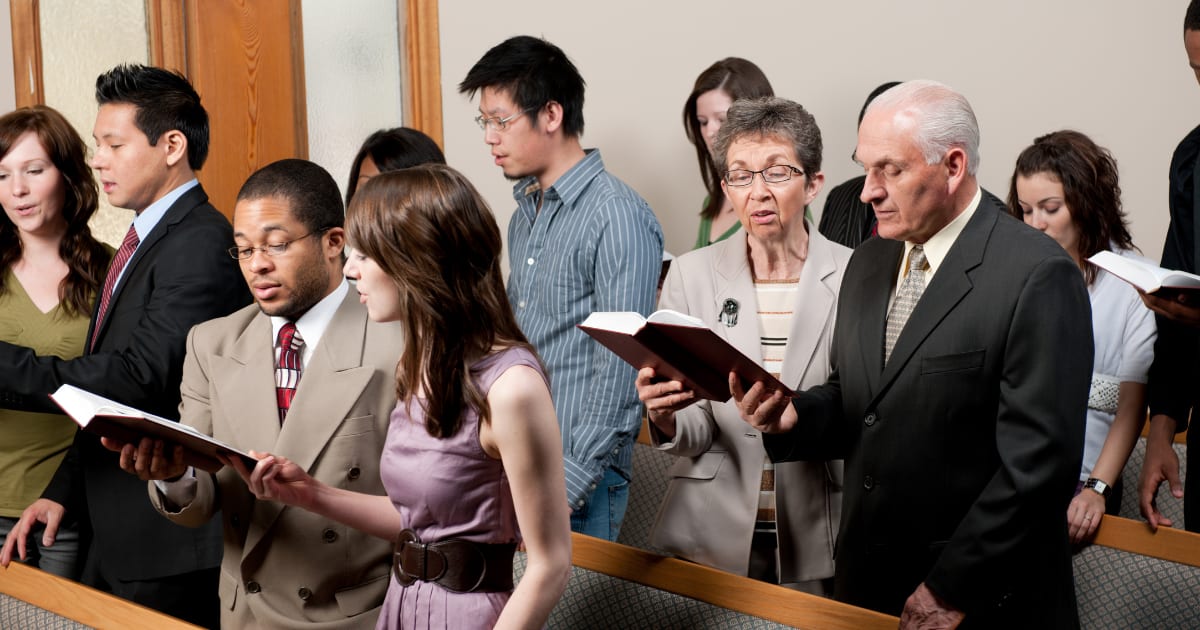
Last Sunday, in a fit of ecumenical worship, I attended a choral evensong. It was celebrated with Rite I, the traditional Elizabethan English text and rubrics of the Book of Common Prayer.That meant the congregation sang the responses and three hymns. We participated in the psalms and canticles in prayerful silence—just what a lot of Catholics do at Mass.
The musical setting of the liturgy was music by Thomas Tallis, who has been a musical hero of mine since my little sojourn in Oxford in 1963 where I first heard his music on a regular basis.
His music is divinely inspired, and his craft rooted in the time period. His politics is also rooted in the time period.
He came to Henry VIII’s Chapel Royal in 1543, just when Henry was separating from Rome and English was replacing Latin. He was affected by Archbishop Thomas Cranmer’s edict of “one syllable, one note.”
The Church of England now was gaining momentum with the rise to the throne of Edward VI in 1543. Tallis was still writing for the services in the Chapel Royal.
Things turned upside down in 1553 when Mary Tudor became queen and reinstituted the Roman rite, made possible by burning of papists and a few beheadings, Cranmer being one of them.
Tallis, however, survived.
Queen Elizabeth was crowned in 1558, the Church of England was strengthened, and—you guessed it—Tallis was still writing music for royal liturgies.
He withstood enormous cultural and religious tempests while writing some of the most sublime music for Christian worship.
His capability to function under four reigning monarchs makes him a model for any Catholic—or any church musician for that matter—who has undergone a change of pastor(s) and endured pastoral agita caused by “how long will I have my job.”
That comparison caused me to think about my own eternal music ministry, which began when I was 16 (I’m now 69—you do the math). Part of my reminiscence was the versions of evensong I had initiated and celebrated in most of the Roman Catholic parishes during that time.
We call it evening prayer, which matches morning prayer—the two hinge offices of Catholic liturgy. Advent and Lenten evening prayer occupied a large part of that leadership.
Sorrowfully, last year I learned that one of the gem parishes who tolerated me for several years had discontinued Lenten evening prayer the year before. I inquired why, and the answer was that the Living Stations of the Cross had a broader appeal.
So, I began a phone canvass of the previous churches where I worked, and only one has sustained its tradition of Lenten evening prayer and Advent evening prayer.
These are the same parishes that list the title of the organ prelude and recessional at the Masses in Lent.
What? The documents state that the organ should not be played during penitential season as a solo instrument.
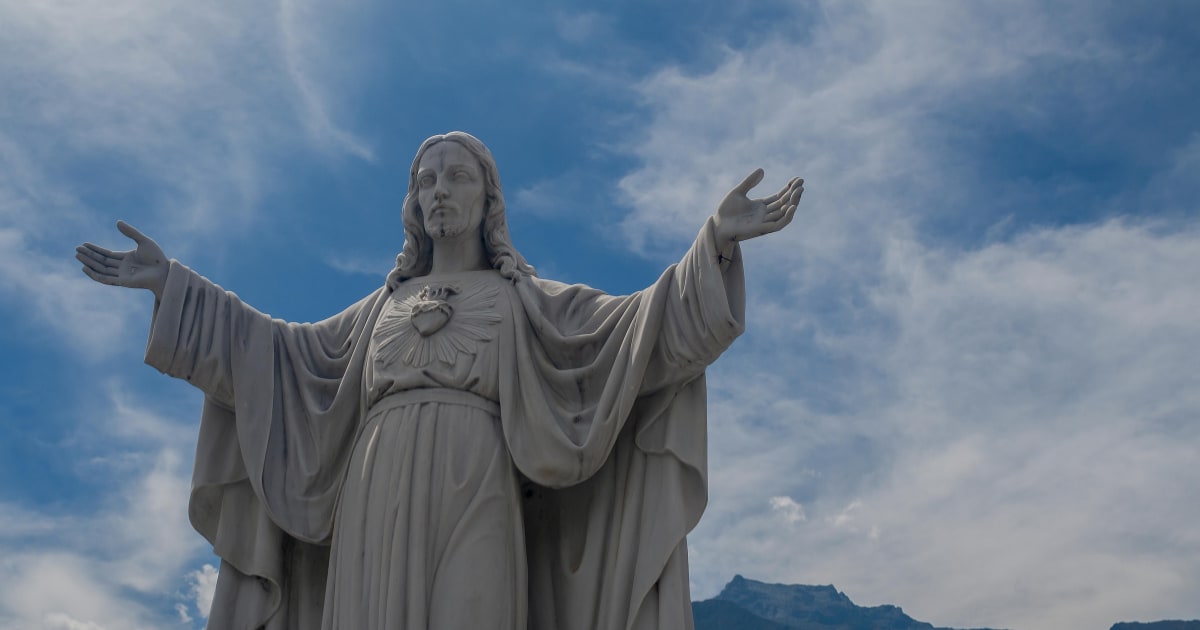
It might seem harmless but, in the context of the Lenten discipline of fasting, aural fasting makes sense. In fact, many churches now are draping the cross and other figures in purple cloth, emulating the practice in the old Latin rite.
The old Latin rite draped the figures and crosses on the Sunday before Palm Sunday. By doing so, it created a new job for the altar boys (yes, boys) to remove the purple draping from the statues by means of long poles during the Gloria of Holy Saturday.
As you can imagine, the practice was just packed with possible disasters.
Discontinuing seasonal evening prayer, hearing the organ in solo repertory, witnessing a teenage enactment of Good Friday six times in Lent—they all suffer from a lack of tradition and respect.
When tradition is not defined or respected, then a casualty results. This time it happens during Lent, the time to heal casualties and to breach gaps. Perhaps, it is time for a community to plan next year’s Lenten and Easter season and make it a casualty-free zone.
You can reach Fred Moleck via email at fmoleck@comcast.net