







Sunday by Sunday Complete Planning Resource
Lectionary Psalters
Music and Resources For Weddings
Explore Music for Solo Organ, Piano, & Other Instruments
Discover Music and Resources For Special Occasions
Recursos para la Iglesia Hispana
Browse Upcoming Events
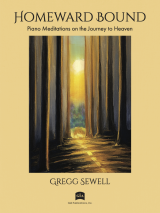
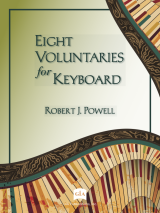
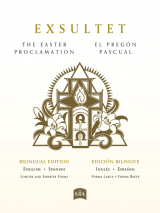
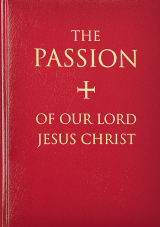
Looking for something new?
We're constantly adding new mass settings, choral music, service music, solo instrumental pieces, and much more. Click below to find a new song for your congregation.
Explore Our New Releases




We're Proud to Partner with and Distribute for


Our Featured Artist
Joanna
Forbes L'Estrange
Forbes L’Estrange began working with the a cappella group The Swingles as soprano and musical director. From 1998 until 2000, she led the group in concerts in North America, South America, Asia, Europe and Australasia. She appeared in three contemporary operas at Teatro alla Scala, Milan, and at Théâtre du Châtelet in Paris. Forbes L'Estrange worked with musicians including the late Ward Swingle and Luciano Berio, whose orchestral work Sinfonia she has performed with orchestras worldwide.
Forbes L’Estrange is "one of the Royal School of Church Music’s best-selling composers". She was commissioned to compose an anthem to mark the coronation of King Charles III in May 2023. The mountains shall bring peace, a setting of Psalm 72 and Psalm 149, was performed by choirs throughout the world. Forbes L’Estrange founded, and for five years directed, AQUILA, the all-female vocal group of St John’s College, Cambridge. She has been a guest conductor for the National Youth Girls Choir and Choir of the Earth. In 2018, she organized and conducted the first all-female recording session at Abbey Road Studios, recording her song Twenty-first-century Woman. She was a judge on the Sky 1 series Sing: Ultimate A Cappella.